DataKeeper開発の海外事例
DataKeeper開発における要求事項「なぜその開発手法を選んだのか」連載第4回では、海外の実例をご紹介します。SteelEye Technology社のリードソフトウエアアーキテクトであるPaul Clements氏による、スタンドアローンデータレプリケーション製品「DataKeeper」の開発
2009年4月28日 20:00
DataKeeper開発における要求事項
「なぜその開発手法を選んだのか」連載第4回では、海外の実例をご紹介します。SteelEye Technology社のリードソフトウエアアーキテクトであるPaul Clements氏による、スタンドアローンデータレプリケーション製品「DataKeeper」の開発を振り返っていただきました。
SteelEye Technology社の新しいスタンドアロンデータレプリケーション製品、DataKeeperをリリースするまでの道のりは長いものでした。いくつもの課題に直面し、学んだ教訓も多くありました。結果的には、開発チームの創意工夫と新しい開発プロセス導入のおかげで、課題を乗り越え、高品質の製品を送り出すことができました。
ほとんどのソフトウエアプロジェクトがそうであるように、DataKeeperにおいても、まずは顧客、販売、市場からの要求事項を収集することからプロジェクトはスタートしました。要求事項は時間とともに変化していったのですが、主要な要求事項となったのは次の3つです。
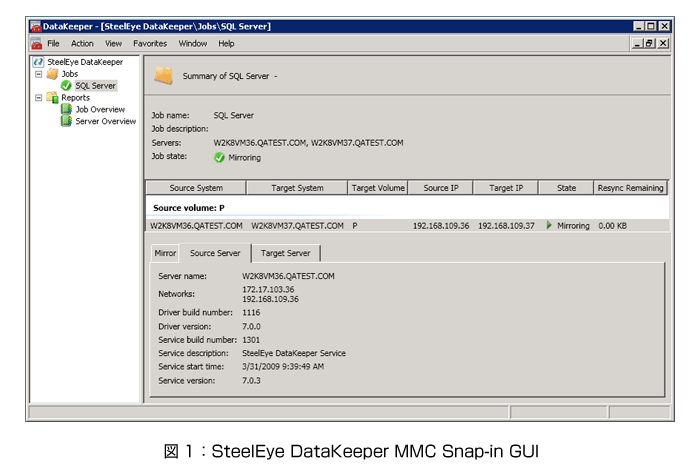
- 新しいマイクロソフト管理コンソール(MMC)に基づいたグラフィカルユーザーインターフェースを必要とすること
- Windows Server 2008上で動かせること
- マイクロソフトのWindows Serverフェールオーバークラスタリング(WSFC)と統合していること
原文
The road to releasing SteelEye’s new standalone data replication product, DataKeeper, was a long one. We faced many challenges and learned many lessons along the way. In the end, we were able to overcome the challenges and deliver a high quality product, thanks to the ingenuity of the development team and the adoption of a new development process.
The project began, as most software projects do, gathering requirements from customers, sales, and marketing. Although the requirements changed over time, the three primary requirements were: the product needed a new Microsoft Management Console (MMC) based Graphical User Interface; it had to run on Windows Server 2008; and, it had to be integrated with Microsoft’s Windows Server Failover Clustering (WSFC).
この記事をシェアしてください
関連記事


バックナンバー
この記事の筆者

Think ITでは、技術情報が詰まったメールマガジン「Think IT Weekly」の配信サービスを提供しています。メルマガ会員登録を済ませれば、メルマガだけでなく、さまざまな限定特典を入手できるようになります。